Denture Clasps and Attachments: Retention Review
- Do not bend clasps or tighten parts yourself.
- Collect data about the attachment system.
- Compatible parts are not always interchangeable.
The attachment of a denture — clasps or locks — changes over time. Never bend the metal yourself. It helps to know which attachment system was fitted for you.
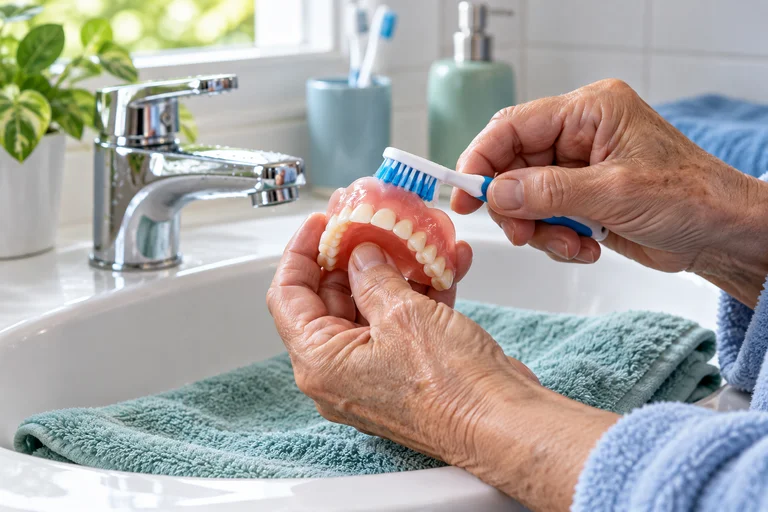
Which attachment is fitted according to the documents
The documents may state the type of attachment or the manufacturer. If there are no documents, the dentist can assess it at the examination.
How the retention of the denture has changed
Describe how exactly the retention has changed: weakened, became stiff, the sounds changed.
What is assessed in the attachments and supports
The dentist checks the condition of the parts, the supporting teeth and the fit. Bending the metal at home can break a clasp or damage a tooth.
How the availability of compatible parts is clarified
Not all locks are compatible. To choose a part, data about the system is needed. Availability is confirmed by the clinic.
Data about the attachment system
- Type (clasp, lock, attachment)
- Manufacturer or name of the system
- Date made
- Clinic where it was made
- Photo of the inside of the denture
- Description of changes in retention
Bring the list and the denture.
Questions and answers
What data about the attachment system is needed?
Type, manufacturer or name, date and clinic. Also photos and a description of the change in retention.
Can all locks be considered interchangeable?
No. Systems differ, so compatibility is checked before ordering.
Read also

Loose Denture: Relining or a New Prosthesis?
Dentika in Lutsk: a decision based on denture fit, its condition and oral tissues. Information for your restorative consultation.

Implant Overdenture: Checking Retentive Components
Dentika in Lutsk: changes in an existing overdenture’s retention and compatible components. Information for your restorative consultation.
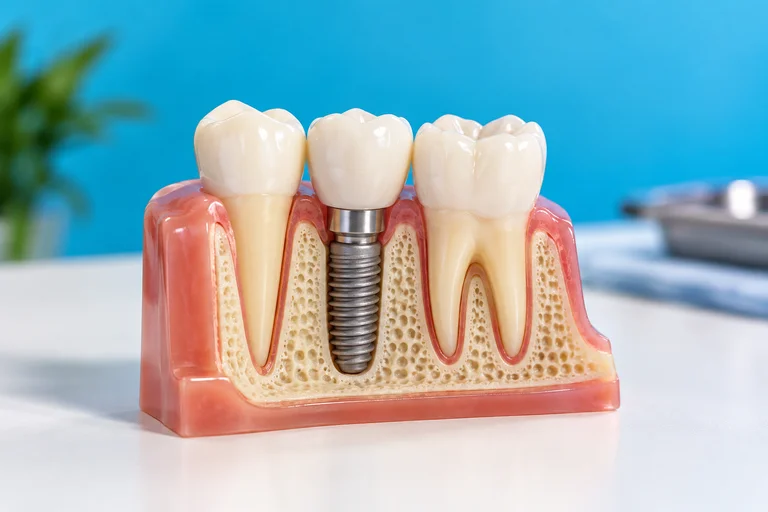
Lost Implant Records: What Your Restorative Dentist Needs
Dentika in Lutsk: finding information about an existing implant system before restoration or maintenance. Information for your restorative consultation.
The material is for reference and does not replace a doctor’s consultation. The text was prepared by the site editors; review by a clinic doctor is in progress.